
Matt Saucedo, Operations Environment, Health & Safety Manager, STACK Infrastructure (Founding member of Data Center Safety Council)
When most people think of heat stress, they associate it with outdoor work. Performing laborious tasks where physical activity and prolonged environmental exposure combine to create the perfect scenario for heat-related illnesses. However, there are many areas around a typical data center where an operator could be exposed to heat stress. Here are some common examples of areas to consider for heat stress risks:
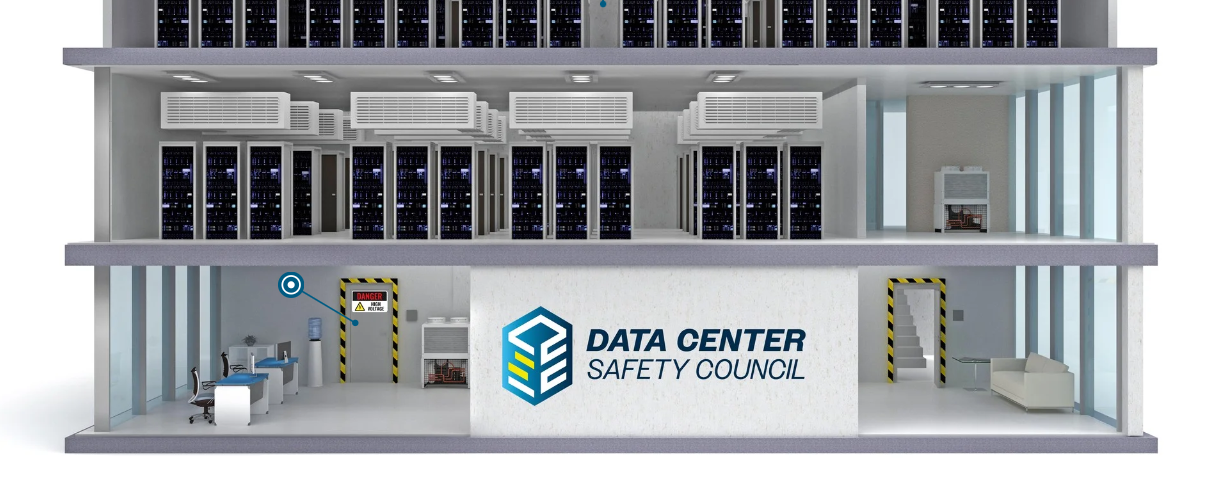
Check out the interactive graphic here!
- Generator Enclosures or Modular Electric Rooms (MERs): These areas can become extremely hot, even in standby mode. Generators are often equipped with block heaters, fuel heaters, and enclosure heaters. These areas are accessed multiple times per day, for shift rounds or inspections. The lack of ventilation can exacerbate the heat, potentially creating a hazardous environment for those entering the space. When in operation, a generator can have exhaust gas temperatures (EGTs) between 900°F and 1200°F and surface temperatures exceeding 1000°F. MERS are similar to Generators, these areas can be accessed multiple times per day, but unlike the generator enclosures, the MERs do have a self-contained cooling system installed to maintain the space at an optimal temperature for the equipment inside, averaging 80°F. The risk of heat stress is elevated in the event the cooling system has a failure. It is important to consider these hazards before entering or working around these spaces and to prepare accordingly.
- Rooftops and Outdoor Equipment: Rooftops are a common location for HVAC equipment. With direct access to the outdoor environment, housing your equipment on the roof can increase system efficiency. However, working on rooftops or outdoor equipment could pose a risk of heat stress by exposing operators to direct sunlight and high ambient temperatures which could be increased by the surrounding roof material. Depending on the roof media, the surface temperature of the roof itself can be 50-100°F hotter than the ambient environmental conditions. The combination of physical exertion and environmental heat can be particularly hazardous.
- Hot Aisles: Many will correlate cold temps when it comes to data halls, and often forget that this is only one aspect of the heat cycle inside the data hall space. The hot aisle within a data center is a component of the thermal management and cooling strategy designed to efficiently manage and dissipate heat generated by servers and other equipment. Temperatures in these aisles are typically between 80°F to 100°F in most cases but can vary depending on the loading, age, and density of the racks.
- Cooling Disruptions & Downtime: Every data center, at some point in its lifetime, will inevitably experience a loss of cooling event. This is a situation where the cooling systems that regulate temperature and humidity levels fail or become insufficient, leading to a rise in temperatures in data halls, electrical rooms, and even administrative spaces. Temperatures in these areas can quickly exceed 120°F shortly after the event begins. Emergency Operating Procedures (EOPs) are typically in place to react and mitigate these types of events to minimize equipment downtime. However, these procedures often focus on protecting equipment and may not adequately address the human aspect of working in these conditions to restore systems. Here are some tips to remember during your next event:
Here are some tips for working in areas within the data center:
- Wear Clothing Appropriate for the Season: Select worker uniforms and fabrics appropriate for the season. Consider providing cooling towels or vests to help keep the body temperature down. Wear lightweight and Breathable Fabrics to enhance airflow and keep your skin dry.
- Select appropriate PPE: Gloves and sleeves should be worn around hot surfaces, and appropriately rated hearing protection if the unit is in operation.
- Determine work-rest regimen: Provide cooled break areas for employees and determine a work-rest regimen based on the assessed heat environment conditions. Provide water close to the area and encourage employees to stay hydrated. Minimize the amount of time spent in the hot aisle and take regular breaks in a cooler area. If necessary, rotate tasks among other team members to reduce individual exposure.
- Increase Ventilation: Consider opening all the doors on the generator enclosure which can increase ventilation within the interior. If possible, utilize portable fans or air conditioning units to increase airflow or open doors to allow fresh air circulation.
- Maintain a Buddy System: Events happen at all times of the day and night. If possible, respond to areas with your shift partner or other coworker and monitor each other for signs of heat stress.
Follow our page for more informative updates on Health & Safety in Data Center Operations.
Leave a Reply